The amount of pasta is small but the quality of the pasta noodles is so good. It is very chewy and has a heavy texture. I liked the relaxing atmosphere, however, the delivery of the food was a bit slow, especially the pizza. (It would take like within one hour.)
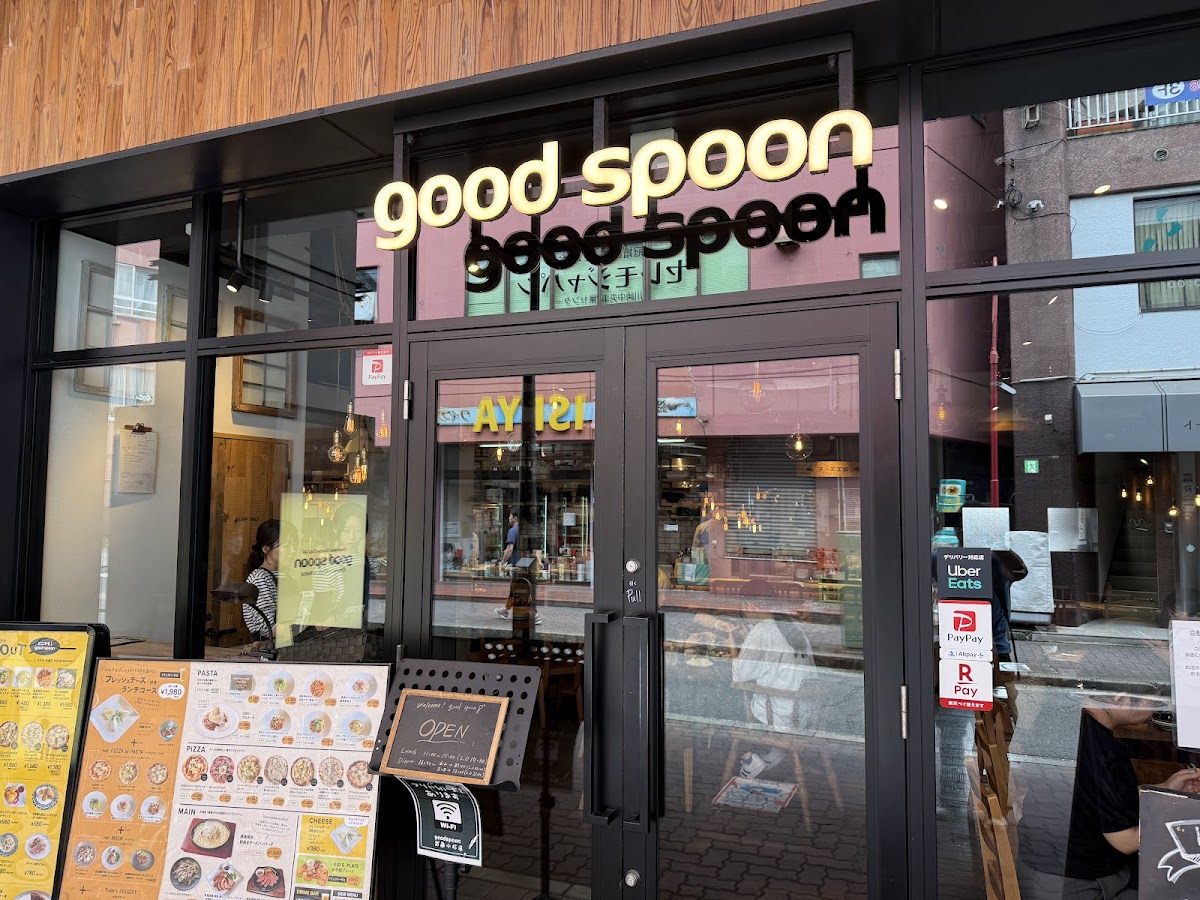
Overview
Walking into Goodspoon Musashikosugi feels like slipping into a neighborhood diner that just happens to have its act together. I first stopped by on a rainy weekday after getting off at Musashi-Kosugi Station, and the warmth hit immediately-both from the oven and the staff. The location is easy to find, tucked into a lively area near 964-3 Shinmarukomachi, Nakahara Ward, Kawasaki, Kanagawa 211-0005, Japan, which locals recognize as a food-friendly stretch with steady foot traffic and a mix of offices and residences.
What stood out right away was the menu balance. It’s casual without being lazy. You’ll see comfort dishes like burgers, gratins, and baked plates sitting next to seasonal specials that rotate often. On one visit, I ordered their oven-baked hamburger steak, which arrived sizzling, layered with sauce that had clearly been reduced properly rather than rushed. A server mentioned they prep several base sauces early in the day and finish them to order, which tracks with the depth of flavor. That attention to process is something chefs often talk about in professional kitchens, and it shows here.
The kitchen leans heavily on baking and slow cooking, which aligns with what food researchers often point out about flavor development. Studies published by organizations like the Japanese Society of Culinary Science highlight how controlled heat and longer cooking times improve umami and texture, especially in meat and dairy-based dishes. You taste that principle in action with their baked curry and cheese-forward plates. Nothing feels overworked, and portions are filling without being excessive.
I’ve also brought friends here for casual dinners, and the reviews from first-timers are usually the same: relaxed atmosphere, dependable food, and prices that make sense for the area. Musashi-Kosugi has developed rapidly over the past decade, with more high-rise apartments and chain restaurants moving in. In that context, Goodspoon manages to feel grounded. It doesn’t chase trends too hard, but it’s not stuck in the past either. That middle ground is harder to maintain than it looks.
One thing worth noting is how the staff handles peak hours. During a busy weekend lunch, tables turned over quickly, yet no one felt rushed. Orders came out consistently, which suggests solid back-of-house coordination. In restaurant operations, that usually points to clear prep lists and communication-basic concepts taught by culinary institutes worldwide, but not always executed well in practice. Here, it works.
The drink menu deserves a mention too. Alongside soft drinks and coffee, there’s a small but thoughtful selection of beers and wine that pair well with the food. I once asked for a recommendation with a baked seafood dish, and the server suggested a light white that complemented the creaminess without overpowering it. That kind of guidance builds trust, especially for diners who don’t want to overthink their choices.
No place is perfect, and seating can feel a bit tight during rush hours, especially if you’re with a larger group. If you prefer quieter meals, early evenings or weekday lunches are your best bet. Also, while the menu covers a lot of ground, people looking for strictly traditional Japanese cuisine might find it more Western-leaning than expected.
Overall, this is the kind of diner you come back to because you know what you’re getting-and you know it’ll be done right. The consistency, the clear cooking methods, and the easygoing service all add up to a spot that earns its reputation one plate at a time.
Good to know
Service options
✓ Outdoor seating ✓ No-contact delivery ✓ Delivery ✓ Takeaway ✓ Dine-inHighlights
✓ Great coffee ✓ Great dessertPopular for
✓ Lunch ✓ DinnerAccessibility
✓ Wheelchair-accessible car parkOfferings
✓ Alcohol ✓ Beer ✓ Cocktails ✓ Coffee ✓ Quick bite ✓ Small plates ✓ WineDining options
✓ Brunch ✓ Lunch ✓ Dinner ✓ Dessert ✓ Seating ✓ Table serviceAmenities
✓ ToiletAtmosphere
✓ Casual ✓ TrendyCrowd
✓ GroupsPlanning
✓ Accepts reservationsPayments
✓ au PAY ✓ Credit cards ✓ dBarai ✓ Debit cards ✓ NFC mobile payments ✓ PayPay ✓ Rakuten Pay ✓ Transit IC cards ✓ Credit cardsPhotos
1 / 4
Location
Reviews
- No ratings yet 234 reviews
Fun, lively, cheese oriented restaurant in Shinmaruko, with a diverse menu.
We really liked the atmosphere. The staff was nice. The food was good. My son loved the juice bar and tried them all!
Lovely atmosphere and great cheese! The chicken cutlet is awesome, best I've had in Japan.